 Skip to content


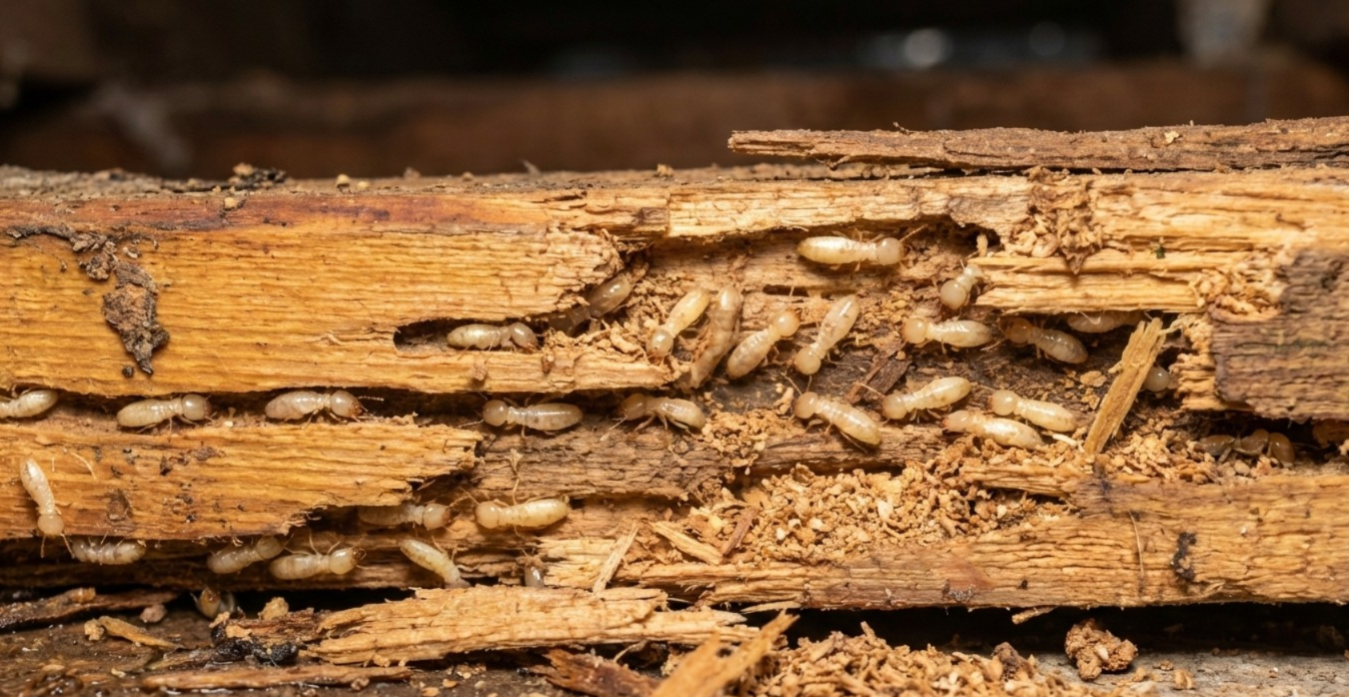
A WDI inspection examines your home’s accessible areas for termites, carpenter ants, and other WDI using visual assessment and probing tools. The inspector checks foundations, basements, crawl spaces, attics, and interior spaces for live insects, mud tubes, damaged wood, and moisture conditions that attract pests. The process takes 30 minutes to 2 hours and produces a detailed report noting any active infestations, past damage, or conditions that could lead to future problems.
If you’re buying a home in Newtown Square, West Chester, or anywhere in the Philadelphia area, you’ve probably heard you need a termite inspection. Maybe your lender requires it, or perhaps you just want peace of mind before closing. Either way, knowing what actually happens during the inspection helps you prepare and understand what you’re paying for.
A termite inspection in Philadelphia isn’t some mysterious process. It’s a systematic visual examination of your property looking for wood-destroying insects and the conditions that invite them. Let’s walk through exactly what an inspector does, what they’re looking for, and what you can expect from start to finish.
Before the Inspector Arrives
The inspection starts before anyone shows up at your door. You need to prepare the house so the inspector can actually access the areas they need to see. That means clearing out clutter from your basement, especially items stacked against foundation walls. Move storage boxes away from perimeter walls. Clear out the space under sinks and around water heaters.
If you have a crawl space, make sure the access panel isn’t blocked by furniture or storage. Same goes for attic access. The more areas an inspector can’t reach, the more limitations end up on your report, and lenders don’t love seeing a report full of “unable to inspect due to obstruction” notes.
Some folks ask if they need to be home during the inspection. You don’t have to be, but it helps. Inspectors sometimes have questions about moisture issues, previous treatments, or renovations that might have hidden damage. Plus, if they find something concerning, they can explain it to you right then instead of you reading about it later in the report.
The Exterior Perimeter Inspection
Most inspectors start outside, walking the entire perimeter of your home. They’re looking at the foundation, checking where siding meets the ground, examining any wood elements like deck posts or porch supports. This is where subterranean termites typically enter a structure, so it gets close attention.
The inspector looks for mud tubes, those pencil-thin tunnels termites build to travel from soil to wood without exposing themselves to air and light. These tubes usually appear on foundation walls, in cracks, or along the seams where different materials meet. They might be active or abandoned, but either way, they’re evidence termites have been present.
They’re also checking for wood-to-soil contact, which is basically an engraved invitation for termites. Maybe a porch post sits directly on dirt, or wooden siding extends below grade. These are what inspectors call “conducive conditions” and they have to note them in the report even if there’s no active infestation.
Moisture is another big focus. Standing water near the foundation, gutters dumping water right against the house, wood with visible rot or water damage. Termites need moisture to survive, so anywhere water accumulates becomes a risk zone.
If you’re thinking about getting a termite inspection in Delaware or the surrounding Pennsylvania counties, this exterior check is especially important. Our climate keeps things damp enough that termites stay active year-round, unlike northern areas where cold winters slow them down.
Basement and Crawl Space Examination
After the exterior, the inspector heads to the lowest level of your home. In most Philadelphia-area houses, that’s an unfinished or partially finished basement. This is where inspectors spend the bulk of their time.
They work methodically around the perimeter with a flashlight and a probing tool, usually a long screwdriver or awl. They’re tapping accessible wood, listening for hollow sounds that indicate damage inside. They probe sill plates, floor joists, support posts, anything wooden that’s visible and reachable.
Crawl spaces get the same treatment, though they’re often more challenging. An inspector might be crawling through tight spaces, shining a light into corners, checking for mud tubes on foundation piers. If there’s standing water in the crawl space or visible mold on the floor joists, that goes in the report as a conducive condition.
Here’s something homeowners don’t always realize: this is a visual inspection only. The inspector isn’t opening walls, removing drywall, or tearing up flooring. They examine what’s readily accessible. If your basement is fully finished with drywall covering all the wood framing, there are limits to what can be assessed. Those limitations get noted in the report.
Need someone who knows what to look for in these tight spaces? Batten to Beam serves Newtown Square, West Chester, Phoenixville, and surrounding communities throughout Delaware County and beyond. Call (484) 573-7078 to schedule your inspection.
Interior Living Spaces
Once the basement is done, the inspector moves through the main living areas. They’re checking baseboards, door frames, window frames, looking for signs that termites have moved up from below or that drywood termites have gotten in from outside.
Drywood termites are less common in our area than subterranean termites, but they do show up. They leave behind frass, which looks like tiny pellets or fine sawdust, usually found in small piles below exit holes. If you’ve noticed what looks like salt or pepper on your windowsills or near wooden furniture built into the house, that’s worth mentioning to your inspector.
The inspector also checks closets, built-in cabinets, anywhere wood is present. They’re looking for swarmers or discarded wings, especially in spring when termite colonies send out reproductive termites to start new colonies. Those wings pile up on windowsills, in spider webs, or on the floor near light sources.
They might use a moisture meter on walls or wooden elements, checking for elevated moisture content. Wood above 20% moisture is more attractive to termites and more likely to support an infestation. High readings don’t mean termites are definitely present, but they do mean conditions are favorable.
Attic Inspection
If the attic is accessible, the inspector goes up there too. They’re checking roof framing, looking for signs of leaks that could create the moisture termites need. In attics, drywood termites and carpenter ants are more common concerns than subterranean termites.
Carpenter ants don’t actually eat wood like termites do. They excavate it to build their nests, and they prefer wood that’s already softened by moisture or rot. If your attic has had a roof leak, you’re more likely to attract carpenter ants. The inspector looks for frass from these insects, which is coarser than termite frass and often mixed with bits of insect parts.
Not every home has an accessible attic. If yours doesn’t, or if it’s packed with insulation and storage making inspection impossible, that limitation goes in the report.
Inquire about home inspection services
Looking for a reliable home inspection service in Newtown Square, West Chester, Paoli, and nearby areas? Look no further than Batten to Beam! I conduct a thorough evaluation of specific areas such as foundations inspections, termites inspections, radon inspections, or sewer lateral inspections. Trust Batten to Beam for your home inspection needs
What Happens If Evidence Is Found
Let’s say the inspector finds something. Maybe it’s active mud tubes, or damaged wood with termite galleries visible inside, or a pile of frass under a window frame. What happens next?
First, it goes in the written report with photographs and detailed descriptions. The inspector notes the location, the type of evidence, and whether it appears to be an active infestation or old damage from a previous problem that was treated.
If there’s active infestation, the report will recommend treatment. That doesn’t necessarily mean the inspector found live bugs crawling around. Fresh mud tubes, recent frass, or wood damage that looks recent all justify a treatment recommendation. The inspector uses their training and experience to assess whether the infestation is ongoing.
For real estate transactions, this is where negotiations happen. The seller might agree to pay for treatment, the buyer might accept responsibility, or they split the cost. Treatment companies can often work quickly to get the problem addressed before closing, especially if everyone’s motivated to keep the deal moving.
If the evidence is old and there’s no sign of current activity, the inspector might note “evidence of previous infestation with no visible signs of current activity.” That’s better news, but it still means termites were there at some point. Some buyers want treatment anyway, just for peace of mind.
The Written Report
After the inspection, you get a detailed written report. It includes the inspector’s credentials, the date and time of inspection, and a full description of what was examined and what was found.
The report specifies whether visible evidence of wood-destroying insects was found. It lists any conducive conditions like moisture problems, wood-to-soil contact, or structural issues that could lead to future infestations. It notes any areas that couldn’t be inspected and explains why.
If treatment is recommended, that’s clearly stated. If no evidence was found, the report says so. Either way, it’s important to understand that this report reflects conditions on that specific day only. It’s not a guarantee that termites won’t show up next month. Termites can build mud tubes at about 2.5 inches per hour, so an infestation can develop quickly after a clean inspection.
Most reports are considered valid for 90 days for real estate purposes, but that’s not the same as a 90-day warranty. It just means lenders typically accept a report that’s less than three months old.
How Long Does It Take?
A typical termite inspection in philadelphia takes 45 minutes to an hour for an average-sized home. Larger properties or houses with multiple crawl spaces and complex layouts might take closer to two hours. If the inspector finds evidence and needs to document it carefully with photos and notes, that adds time.
Many inspectors provide the report the same day, sometimes within a few hours. If you’re under contract with a tight inspection timeline, make sure the inspector knows your deadline when you schedule.
Planning to buy or sell in Newtown Square, West Chester, or nearby? Batten to Beam provides thorough WDI inspections throughout Philadelphia, Delaware County, Chester County, Montgomery County, and New Castle County Delaware. Reach out at (484) 573-7078 or visit battentobeam.com to get started.
Why This Inspection Matters
Philadelphia’s climate creates ideal conditions for termites. We’re warm enough that subterranean termites stay active through mild winters, and our older housing stock includes plenty of homes built when wood-to-soil contact was standard practice. Add in our humidity and frequent rain, and you’ve got a recipe for termite-friendly conditions.
A wood destroying insect inspection catches problems before they become expensive disasters. Termites can compromise structural integrity over time, and repairs can cost thousands or tens of thousands depending on the extent of damage. Catching an infestation early, or identifying conducive conditions before they attract termites, saves money and stress.
For buyers, it’s protection. For sellers, getting an inspection before listing lets you address issues on your timeline instead of scrambling during negotiations. Either way, you’re making decisions based on facts instead of hoping for the best.
The inspection process itself is straightforward. An experienced inspector examines accessible areas, documents what they find, and gives you a clear report you can use to move forward with confidence. No mystery, no confusion, just a professional assessment of your property’s condition when it comes to wood-destroying insects.
Frequently Asked Questions
Do termite inspectors need to find live termites to recommend treatment?
No, inspectors don’t need to see live insects to recommend treatment. Fresh mud tubes, recent frass, active damage to wood, or other evidence of ongoing activity is enough to justify a treatment recommendation. Inspectors use their training to assess whether signs indicate a current infestation even if they don’t spot actual bugs during the visit.
What’s the difference between a termite inspection and a regular home inspection?
A home inspection covers the overall condition of a property including structure, systems, roof, electrical, and plumbing. A termite or WDI inspection focuses specifically on wood-destroying insects and the conditions that attract them. Most buyers get both inspections because they serve different purposes and most general home inspectors don’t provide WDI reports.
Can I do anything to prepare my house before the termite inspector comes?
Yes, clear access to your basement, crawl space, and attic. Move storage boxes and clutter away from foundation walls. Clear items from under sinks and around water heaters. Make sure the inspector can reach all areas without having to move heavy furniture or navigate through piles of stored belongings. Better access means a more thorough inspection.
How much does a termite inspection cost in the Philadelphia area?
WDI inspection costs typically range from $75 to $200 depending on the property size and complexity. Some pest control companies offer free inspections if you agree to use them for treatment, though this can create a conflict of interest. Independent inspectors charge a flat fee and have no incentive to recommend unnecessary treatment.
If the inspection finds termites, does that kill my real estate deal?
Not usually. Termite issues are common and treatable. Most real estate contracts include contingencies for inspections, and buyers and sellers typically negotiate who pays for treatment. As long as everyone’s reasonable, the deal moves forward after treatment is completed or agreed upon. Lenders just want confirmation the problem will be addressed before closing.
Are termite inspections required in Pennsylvania and Delaware?
They’re required for VA and FHA loans in most areas including Philadelphia, Delaware County, Chester County, Montgomery County, and New Castle County Delaware. Many conventional lenders also require them. Even when not required by your lender, getting one is smart protection for what’s likely your biggest investment.
What are conducive conditions and why do they matter if there are no termites?
Conducive conditions are situations that make termite infestation more likely, like wood-to-soil contact, moisture problems, or poor drainage. Inspectors must report these even when no termites are present because they represent future risk. Fixing conducive conditions reduces the chance of future infestations and sometimes impacts your ability to get termite treatment warranties.
How long is a WDI report valid?
Most lenders accept WDI reports that are less than 90 days old for real estate transactions. This doesn’t mean the report guarantees no termites for 90 days, just that lenders consider it current enough to rely on for closing. If you’re not buying or selling, inspection frequency depends on your property’s history and risk factors, but annual inspections are common in our area.
